

Special Session 2 (Flyer Download)
Topic: Application of Biomaterials in Biomanufacturing and Disease Diagnosis and Treatment
Organizer: Prof. Liangcan He, Harbin Institute of Technology, China
Introduction:
The precise advancement of biomanufacturing and the
efficient enhancement of disease diagnosis and treatment
have become central objectives in modern biomedical
research. However, traditional biomanufacturing
technologies still face challenges, such as poor
biocompatibility and insufficient functional
integration. Similarly, conventional diagnostic and
therapeutic approaches are limited by delays in
diagnosis, a lack of targeted treatments, and uncertain
prognostic outcomes, all of which hinder clinical
applications and patient recovery.
Recent breakthroughs in biomaterial science have led to
the development of biomaterials with outstanding
biological safety, structural versatility, and
multifunctionality, facilitating their widespread use in
fields such as biomanufacturing, biosensing, and
targeted drug delivery. The precise design of
biomaterials and their deep integration into
biomanufacturing, diagnostic, and therapeutic processes
are critical for enhancing the efficiency and
personalization of biomedical technologies. These
advancements significantly improve patient diagnosis,
treatment experience, and long-term prognosis.
Focusing on the innovative design, controllable
fabrication, and surface functionalization of
biomaterials, along with their application in
biomanufacturing, disease diagnosis, and treatment, will
greatly drive the development of this field.
Submission Link:
https://confsys.iconf.org/submission/icnst2027
**Log in and choose "Special Session 2"
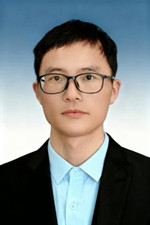
Liangcan He
Harbin Institute of Technology, China
Liangcan He, professor and doctoral supervisor, is the director of the Nanomedicine and Drug Research Center at the School of Medicine and Health Sciences, Harbin Institute of Technology. He received his doctoral degree from Tsinghua University and conducted the postdoctoral research training at the University of Colorado Boulder and National Institutes of Health (NIH). In 2021, he joined Harbin Institute of Technology and has been working there ever since. His main research fields include material-biological interface, biomaterials and its applications in brain diseases, and molecular imaging probes.